Pillows play a crucial role in sleep comfort, alignment, and overall rest quality. In this category, materials, fill types, and cover fabrics influence breathability, temperature regulation, and support. Understanding pillow construction helps select options that suit individual sleeping positions, allergies, and personal preferences for firmness and height. Keywords such as bedding, pillows, and organic mattresses reflect the broader sleep ecosystem.
Organic pillow options emphasize natural materials and non-toxic processing to support healthier sleep environments. Consider components like organic cotton covers, natural fills, and certified materials that minimize off-gassing and chemical exposure. This focus aligns with broader bedding choices, including sheets and organic mattresses, to create a cohesive, low-toxicity bedroom setup.
When evaluating pillows for neck and spine support, look at firmness levels, loft height, and zoning features. A well-matched pillow maintains spinal alignment for back, side, and stomach sleepers and can reduce morning stiffness. Features such as breathable shells and moisture-wicking fills contribute to comfort across varying climates and seasons.
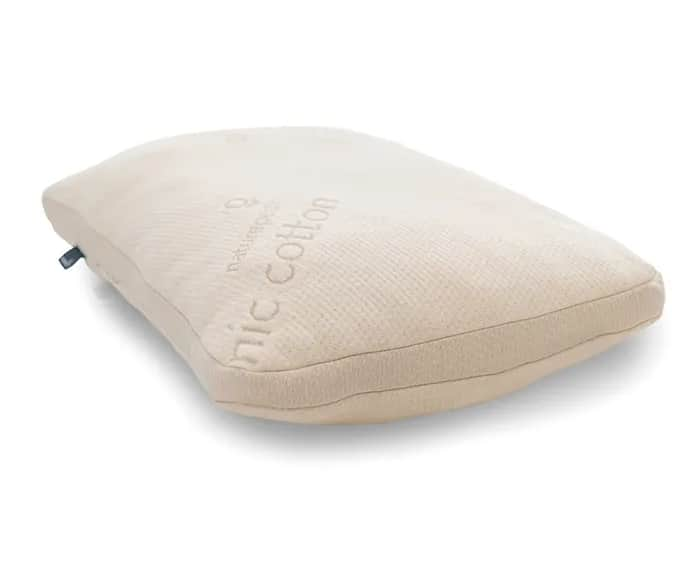
In our example lineup, the Naturepedic Organic Wool Pillow showcases natural wool fill, which provides excellent insulation, moisture management, and resilience. Wool fibers help regulate temperature, resist compression over time, and support a comfortable sleeping posture, making it a relevant option alongside other organic bedding components.
Overall, choosing a pillow involves considering sleeping position, warmth preferences, and material sensitivities. By examining organic pillow constructions, users gain insight into how fills, covers, and certifications influence comfort, durability, and microbiological safety. This contextual understanding complements broader knowledge of bedding, sheets, and organic mattresses.
 Bedding