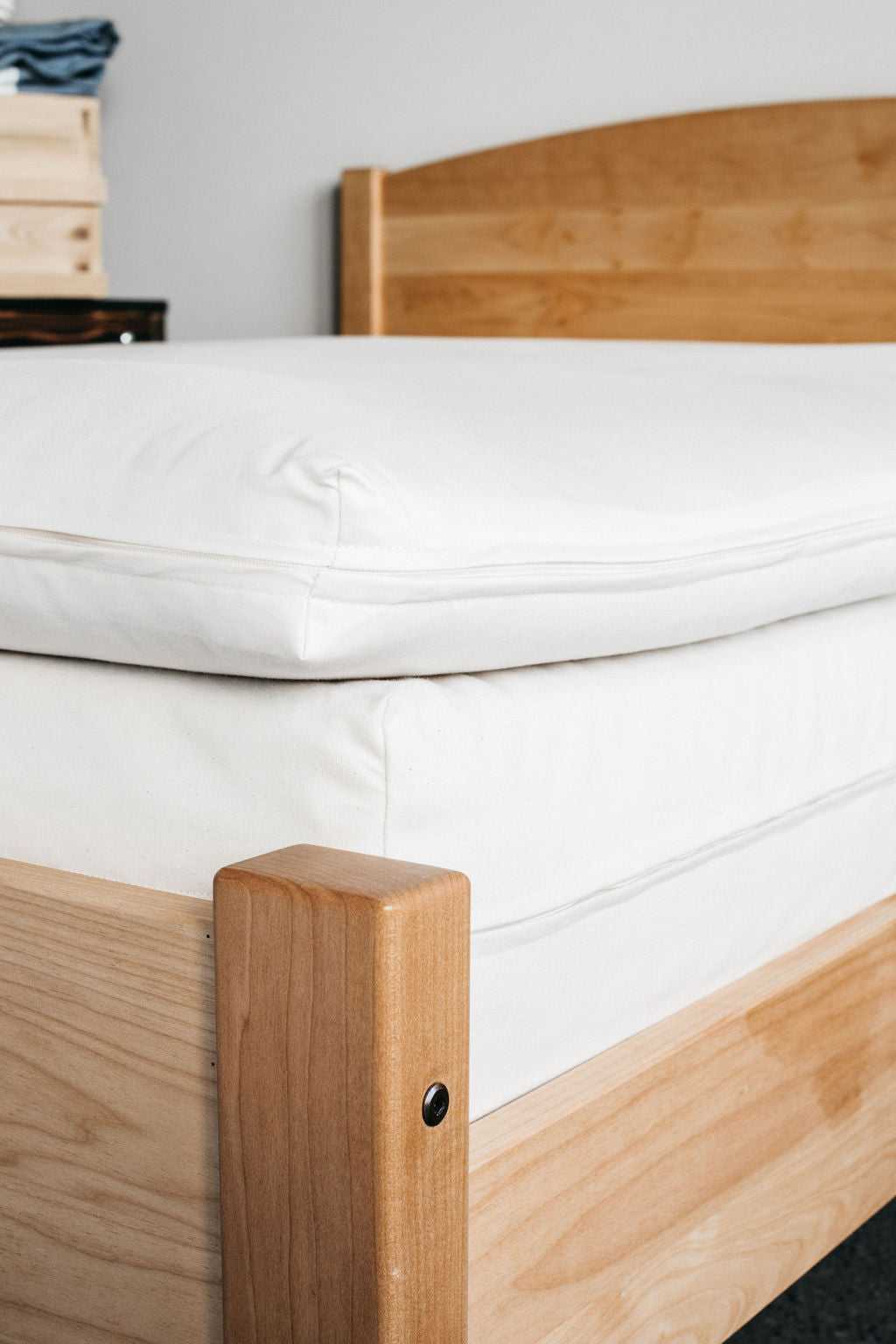
A mattress topper serves as an adjustable layer that can modify the firmness, temperature regulation, and overall feel of a mattress. In the organic mattress niche, toppers often emphasize natural materials and chemical-free construction, supporting sleepers who seek enhanced comfort without compromising indoor air quality or sustainability goals. This category highlights core materials and their functional benefits for different sleeping positions and pressure points.
Natural wool toppers are valued for temperature regulation, moisture wicking, and resilience. Wool naturally adapts to body heat, helping to keep sleepers cool in warm nights and warmer in cooler conditions. It also offers supportive loft and conformance, which can aid spinal alignment while reducing motion transfer for couples sharing a bed.
Latex toppers provide a responsive, durable option with varying firmness levels. In organic variants, certified natural latex minimizes synthetic additives and VOC exposure. The material’s elasticity supports even weight distribution, improving pressure relief for shoulders and hips and maintaining restful alignment across sleep positions.
Combining natural wool with latex in a mattress topper can blend the benefits of both materials: enhanced temperature control from wool and responsive support from latex. This combination may suit sleepers seeking a balance between cushioning and support, particularly those sensitive to heat retention or seeking long-term shape retention.
Understanding toppers in the organic mattress context includes considering certifications, filler-free construction, and hypoallergenic properties. When evaluating options, look for materials that align with the broader bedding ecosystem—pillows, sheets, and organic crib mattresses—while addressing practical needs such as washability, durability, and compatibility with existing mattresses.
 Bedding