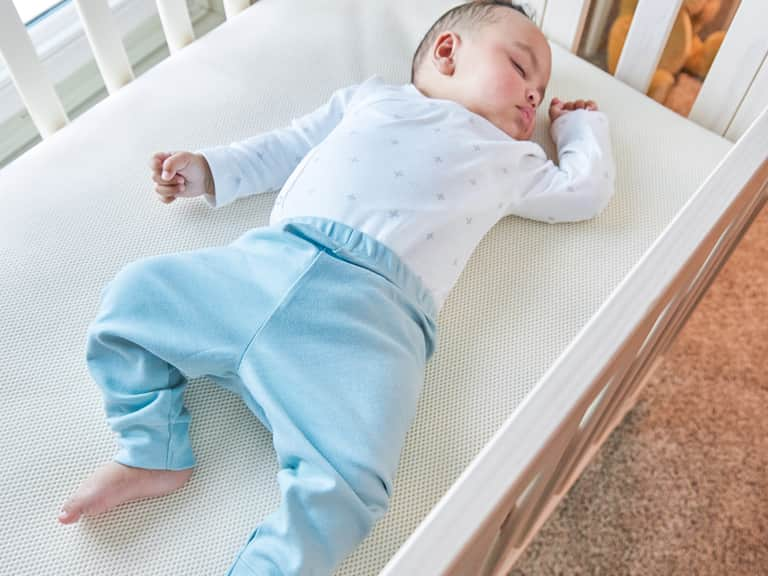
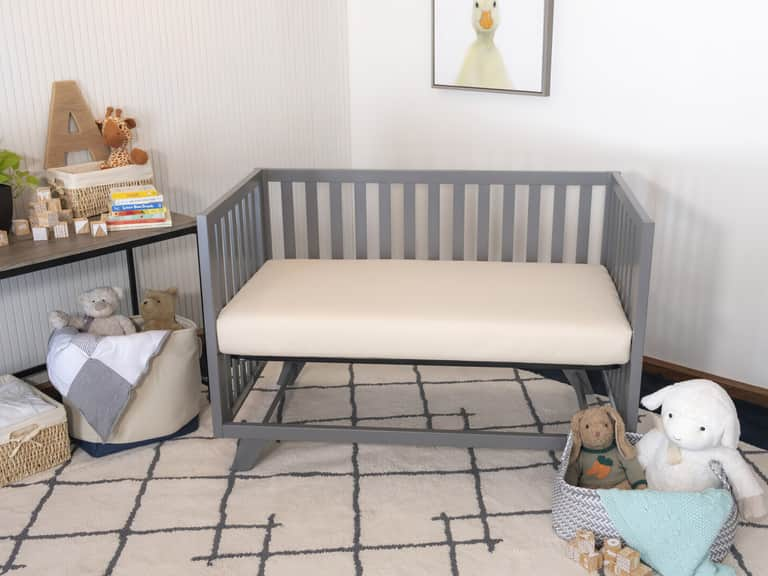
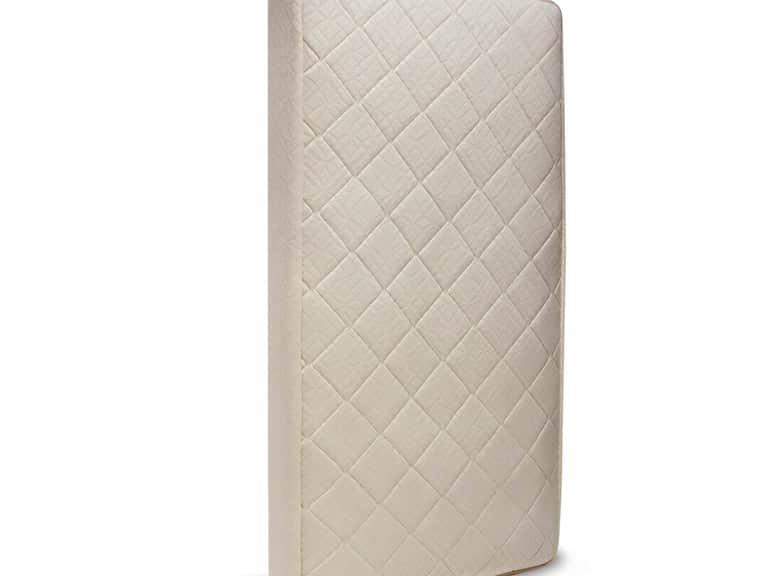
Crib mattresses are specifically designed to support infants with safe, firm surfaces that reduce the risk of Sudden Infant Death Syndrome (SIDS) while promoting spinal alignment. The materials, from organic cotton to natural latex and sustainably sourced fibers, influence breathability, moisture control, and overall comfort in nursery environments. Understanding core features helps caregivers select a mattress that aligns with health and safety standards in nurseries and homes.
Key characteristics of organic crib mattresses include certifications for organic materials, cohesive barrier fabrics, and low VOC emissions. A well-constructed mattress uses a firm, flat sleeping surface, a jacket that resists mildew, and non-toxic finishes. These elements contribute to a healthier sleep environment for infants and simplify routine cleaning and maintenance.
The Obasan Organic Crib Mattress emphasizes natural materials and thoughtful construction, often incorporating organic cotton and wool to regulate temperature and wick away moisture. Its design supports a firm sleep surface while permitting airflow, which can help maintain a comfortable sleeping microclimate for babies during different seasons.
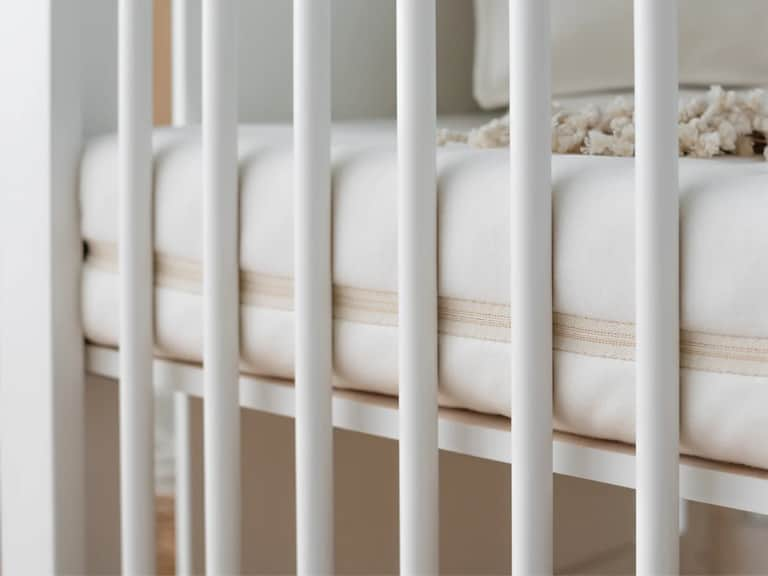
The Naturepedic Breathable 2-Stage Organic Crib Mattress features a dual-stage design that adapts to a growing infant’s needs. The breathable surface and seams facilitate airflow, helping regulate temperature. This mattress pair commonly uses organic cotton or PLA-based fabrics, minimizing chemical exposure while preserving durability and edge support for safety.
For nursery safety and comfort, educational considerations include proper fitting to crib frames, ability to withstand routine sanitizing, and compatibility with breathable covers or moisture-wicking sheets. When selecting, consider bedding, pillows, sheets, latex, and nursery-related needs, recognizing how each component interacts with a crib mattress to create a healthy sleep ecosystem.
 Nursery